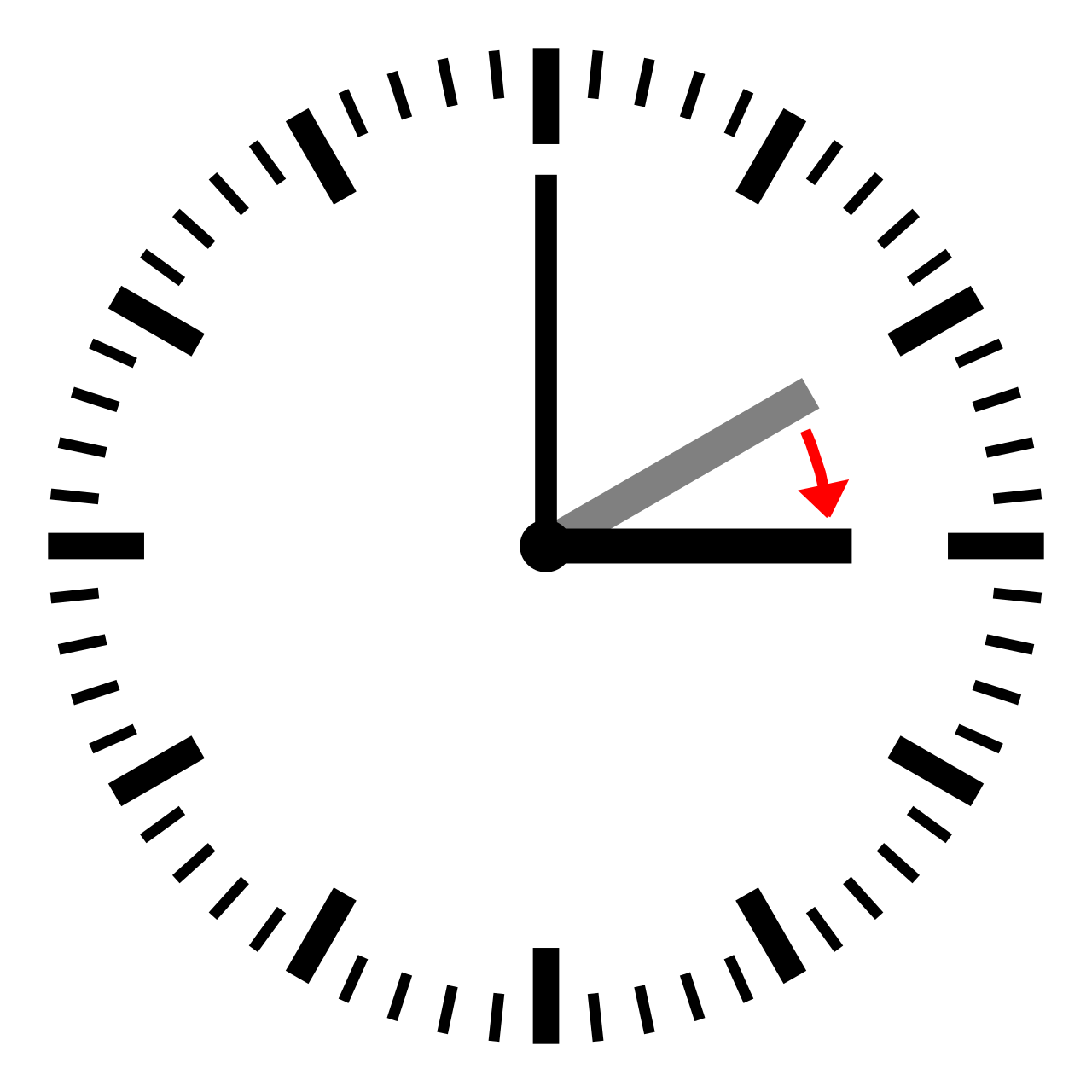
Every year, a curious ritual takes place across many parts of the globe: we either gain an hour of sleep or lose one, all thanks to Daylight Saving Time (DST). This biannual clock adjustment, often referred to in German-speaking regions as uhren umstellen sommerzeit (adjusting clocks for summer time), can cause a ripple effect through our daily routines, sleep patterns, and even our overall well-being. But what exactly is Daylight Saving Time, why do we observe it, and how can you navigate the transition smoothly when it's time to adjust your clocks?
This comprehensive guide will delve into the origins, impacts, and practicalities of DST, ensuring you’re well-prepared for the next time the clocks change. From understanding the historical context to mastering the art of clock adjustment, we'll cover everything you need to know about this intriguing time-shifting phenomenon.
The History and Purpose Behind Daylight Saving Time
The concept of Daylight Saving Time is surprisingly old, though its widespread adoption is a relatively modern phenomenon. While Benjamin Franklin is often jokingly credited with the idea in a 1784 essay, suggesting Parisians could save candles by waking up earlier, the modern proposal for DST came much later.
It was first seriously advocated by New Zealand entomologist George Hudson in 1895, who wanted more daylight hours for collecting insects. A few years later, in 1907, British builder William Willett independently proposed it to the British Parliament, primarily to encourage people to enjoy more daylight in the evenings and save energy. However, it wasn't until World War I that DST gained significant traction.
Germany and Austria-Hungary were the first countries to implement DST in 1916, aiming to conserve coal during wartime. Many other nations, including the United States and the United Kingdom, soon followed suit. The primary justifications at the time were:
- Energy Conservation: The belief was that moving clocks forward would reduce the need for artificial lighting in the evenings, thus saving energy.
- Economic Benefits: Longer daylight hours were thought to stimulate retail sales and outdoor activities.
- Public Safety: Some argued that more daylight in the evenings could lead to fewer traffic accidents and reduced crime rates.
Over the decades, the implementation of DST has varied significantly across countries and even within regions of the same country. Today, roughly 70 countries observe DST, though the specific start and end dates can differ, adding another layer of complexity to international coordination and the annual task of uhren umstellen sommerzeit.
Understanding "Uhren Umstellen Sommerzeit": When and How
The German phrase uhren umstellen sommerzeit literally translates to "adjusting clocks for summer time," perfectly encapsulating the action we all perform twice a year. The process involves two distinct shifts:
Spring Forward: Losing an Hour
In spring, typically on the last Sunday in March in Europe and the second Sunday in March in North America, clocks "spring forward." This means you set your clocks one hour ahead, effectively losing an hour of sleep. The purpose is to shift an hour of daylight from the morning to the evening, making evenings longer and brighter as summer approaches. For example, 2:00 AM instantly becomes 3:00 AM.
Fall Back: Gaining an Hour
In autumn, usually on the last Sunday in October in Europe and the first Sunday in November in North America, clocks "fall back." You set your clocks one hour back, thereby gaining an hour of sleep. This returns us to standard time, providing more daylight in the mornings as the days shorten. Here, 2:00 AM becomes 1:00 AM again.
The practicalities of adjusting clocks have changed dramatically with technological advancements. While older generations meticulously reset every timepiece in their home, modern life offers a mix of manual and automatic adjustments. If you're looking for detailed guidance, our article Effortlessly Adjust Your Clocks for Daylight Saving offers comprehensive steps.
Mechanical vs. Digital vs. Smart Clocks
- Mechanical and Analog Clocks: These require manual intervention. Wall clocks, wristwatches, and older alarm clocks will all need you to physically move the hands forward or backward. It's easy to forget one or two, leading to minor confusion.
- Basic Digital Clocks: Many older digital appliances like microwaves, ovens, VCRs, and some car clocks do not auto-adjust. These will also need manual resetting, often through a series of button presses that can be surprisingly unintuitive.
- Smart Devices and Computers: Thankfully, most modern devices connected to the internet, such as smartphones, tablets, computers, smartwatches, and smart home hubs, will automatically update their time. This significantly simplifies the annual task of uhren umstellen sommerzeit for many people, as these devices often serve as our primary timekeepers.
The Impact of Daylight Saving Time: Beyond Just Clocks
The ramifications of Daylight Saving Time extend far beyond the mere act of changing a clock. Its effects are felt across various aspects of life, prompting ongoing debates about its necessity.
Health and Well-being
Perhaps the most discussed impact is on human health. The sudden shift in time can disrupt our circadian rhythm, the body's natural sleep-wake cycle. While one hour might seem minor, studies have linked DST transitions to:
- Sleep Deprivation: Especially in spring, losing an hour of sleep can lead to initial fatigue, reduced concentration, and irritability.
- Increased Health Risks: Some research suggests a temporary uptick in heart attacks, strokes, and car accidents in the days following the spring forward, attributed to sleep disruption and impaired judgment.
- Seasonal Affective Disorder (SAD): For some, the darker mornings after the fall back can exacerbate symptoms of SAD.
Economic Considerations
The original rationale of energy saving has been hotly debated. Modern studies often show negligible or even negative energy savings, as increased evening heating or air conditioning can offset reduced lighting needs. However, proponents still argue for economic benefits in other sectors:
- Retail and Leisure: Longer daylight evenings are often cited as a boon for retail, outdoor recreational activities, and restaurants, as people are more inclined to stay out later.
- Agriculture: Farmers have historically expressed mixed feelings, as livestock schedules are dictated by the sun, not the clock.
Social and Logistical Challenges
DST can create significant logistical challenges. International travel and business can be complicated by differing DST schedules between countries. Coordinated events, such as flight times, broadcast schedules, and global financial markets, must all account for these shifts, which can sometimes lead to confusion or errors.
Practical Tips for a Smooth Transition
While the act of uhren umstellen sommerzeit is unavoidable in many parts of the world, you can minimize its disruptive effects with some proactive planning. Here are some practical tips to help you and your household adjust smoothly:
Before the Change (Especially for Spring Forward)
- Identify All Your Clocks: Make a mental (or physical) note of every clock in your home, including those on appliances (oven, microwave), in your car, and traditional wall or alarm clocks. This prevents that nagging feeling that you've missed one.
- Gradually Adjust Your Sleep: For the "spring forward," try going to bed 15-20 minutes earlier for a few nights leading up to the change. This helps ease your body into the new schedule. For "fall back," enjoy the extra hour, but consider staying up a little later to align with the new time.
- Charge Auto-Adjusting Devices: Ensure your phone, tablet, and other smart devices are charged and connected to a network to allow them to update automatically overnight.
On the Day of the Change
- Adjust Manual Clocks Proactively: It's often easiest to adjust all manual clocks either before you go to bed on Saturday night or first thing Sunday morning. For spring, simply move them forward. For fall, move them back.
- Double-Check Important Appointments: If you have any Sunday morning appointments (e.g., brunch, church, sports), double-check that you're aware of the time change. It's easy to miss an hour for a Sunday appointment.
- Confirm with Reliable Sources: If you're ever unsure about the direction or timing of the change, quickly check a reliable source online or your smartphone, which usually displays the correct local time automatically.
After the Change
- Prioritize Sleep: Give your body time to adjust. Go to bed at a consistent time each night, and try to get a full 7-9 hours of sleep.
- Embrace Natural Light: Expose yourself to natural light in the mornings (especially after spring forward) to help regulate your circadian rhythm. Similarly, dim lights in the evening to signal to your body that it's time to wind down.
- Stay Hydrated and Eat Well: Good nutrition and hydration can support your body's overall resilience during the transition.
For even more helpful strategies to navigate the time shift, be sure to read our article Smart Tips for Smooth Daylight Saving Clock Adjustment.
Conclusion
Daylight Saving Time, with its annual ritual of uhren umstellen sommerzeit, is a long-standing tradition that continues to spark debate and mild confusion. While the primary goal of making better use of daylight hours has historical roots in energy conservation and economic benefits, its modern-day impact on sleep, health, and logistical coordination remains a complex topic. Whether you embrace the longer evenings or dread the disrupted sleep, understanding the "why" and "how" of DST empowers you to navigate the changes with greater ease. By being proactive and implementing simple adjustment strategies, you can minimize the disruptions and perhaps even appreciate the extra daylight (or sleep!) that comes with the shifting clocks.